I used to think brining was one of those fancy chef techniques that wasn’t worth the effort. Then I tried it with brisket, and I’ll never go back to cooking it dry again. The meat comes out so tender and flavorful that even my pickiest eater asks for seconds.
The secret is giving yourself enough time. A good brine needs at least 24 hours to work its magic, which means I usually start prepping two days before I plan to serve it. I know that sounds like a lot of planning, but trust me, most of that time is just waiting. The actual hands-on work takes maybe 20 minutes.
What I love about this brine is how it builds layers of flavor. You’ve got the warming spices like cinnamon and star anise, the earthiness from fennel and coriander, and a hint of heat from the chili seasoning. It’s the kind of thing that makes people ask what your secret is. And honestly? It’s just salt, sugar, spices, and a little patience.
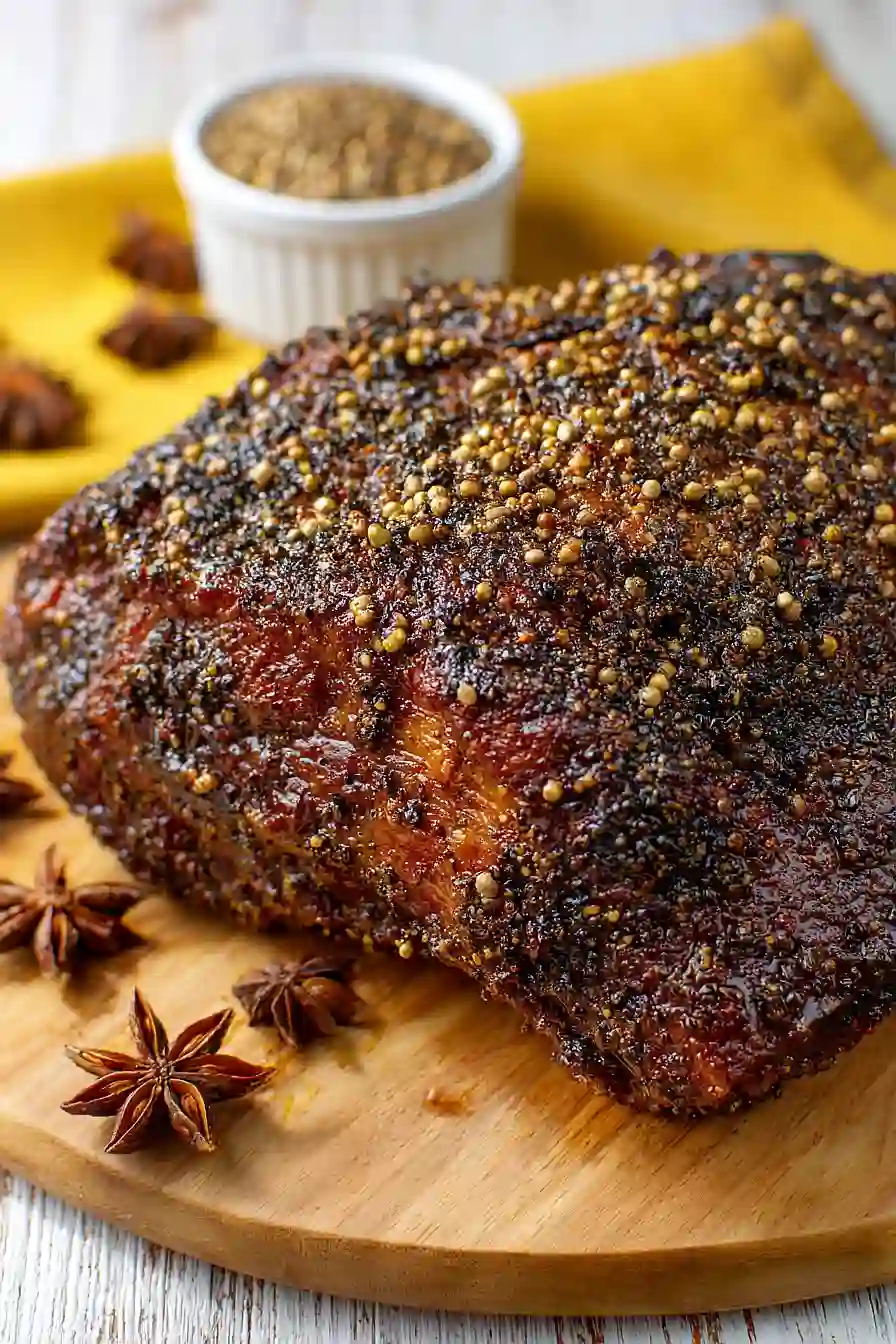
Why You’ll Love This Brisket Brine
- Restaurant-quality results at home – This brine transforms your brisket into incredibly tender, flavorful meat that tastes like it came from your favorite deli or barbecue joint.
- Deep, complex flavor – The combination of warm spices like cinnamon, star anise, and coriander creates layers of flavor that penetrate deep into the meat during the brining process.
- Perfect for special occasions – Whether you’re making corned beef for St. Patrick’s Day or smoked brisket for a backyard gathering, this brine sets you up for success.
- Foolproof method – The brine does most of the heavy lifting for you, ensuring your brisket stays moist and packed with flavor no matter how you cook it afterward.
What Kind of Brisket Should I Use?
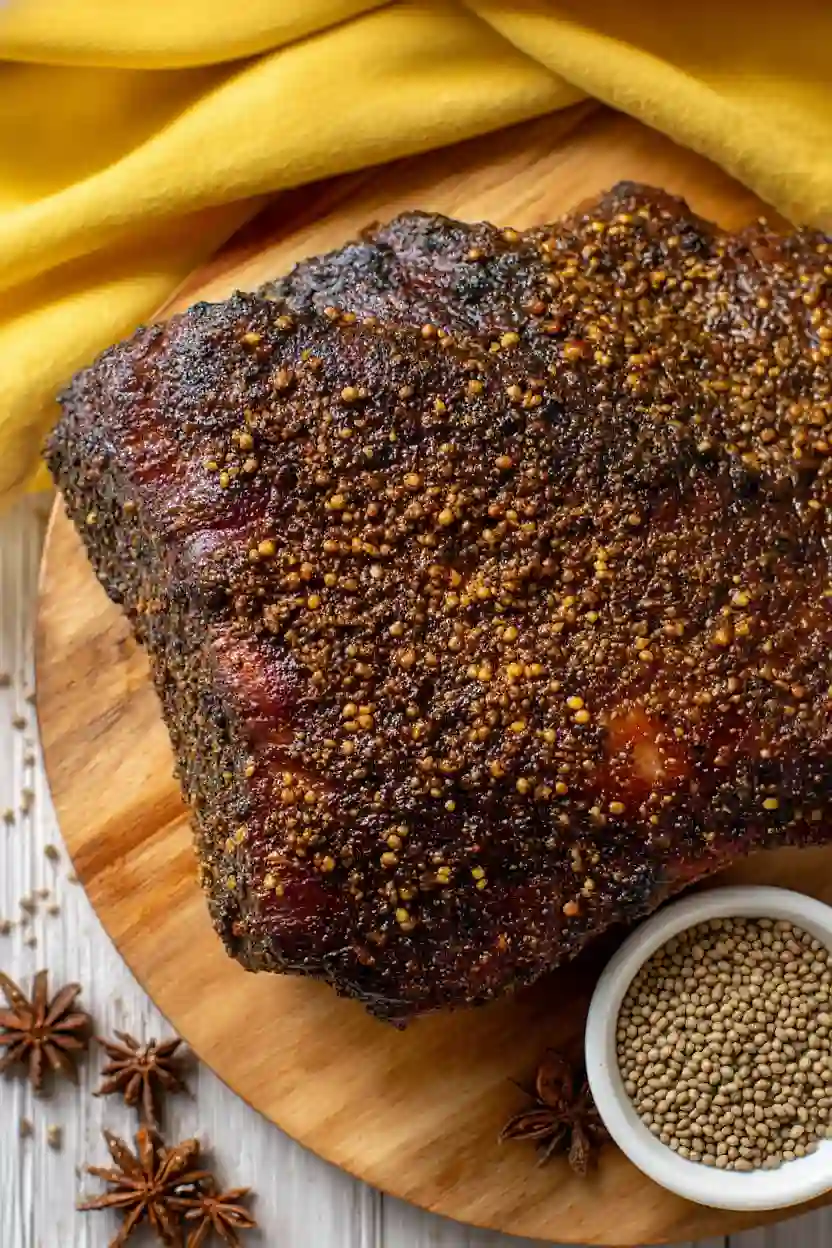
For this recipe, you’ll want to pick up a whole packer brisket or a flat cut brisket from your butcher or grocery store. The flat cut is leaner and easier to find, while the whole packer includes both the flat and the point, giving you more meat with a bit more fat marbling. Either one will work great with this brine, so it really comes down to how many people you’re feeding and your personal preference. Just make sure your brisket fits comfortably in your brining container with enough room for the liquid to fully cover the meat.
Options for Substitutions
This brine recipe has some flexibility, though a few ingredients are pretty important to keep:
- Salt: This is non-negotiable for brining – it’s what helps tenderize and flavor the meat. Stick with the amount listed, though you can use kosher salt or sea salt instead of table salt.
- Sugar and brown sugar: You can swap all the sugar for brown sugar or vice versa depending on what you have. The brown sugar adds a bit more molasses flavor, but regular white sugar works fine too.
- Star anise: If you don’t have star anise, you can leave it out or add a splash of anise extract. The brine will still taste great without it.
- Cinnamon sticks: Ground cinnamon can work in a pinch – use about 1 teaspoon instead of the sticks. Just note that it might cloud your brine a bit.
- Whole spices: For any of the whole spices like peppercorns, fennel seeds, or coriander seeds, you can substitute ground versions at about half the amount. The flavor won’t be quite as clean, but it’ll still work.
- Chili seasoning: Feel free to use chili powder, cayenne pepper, or even paprika here depending on how much heat you want. Start with less if you’re using cayenne since it’s spicier.
Watch Out for These Mistakes While Cooking
The biggest mistake people make with brined brisket is not rinsing it thoroughly after removing it from the brine – if you skip this step, your meat will taste way too salty no matter how good your rub is.
Another common error is adding the brisket to the brine while the liquid is still warm, which can actually start cooking the meat and create food safety issues, so always make sure your brine is completely cooled with ice before submerging the beef.
When it comes to smoking, resist the urge to open your smoker constantly to check on the meat – every time you peek, you lose heat and smoke, which can add 15-20 minutes to your cooking time.
Finally, skipping the rest period after smoking is a fatal mistake since cutting into the brisket immediately causes all those juices to run out onto your cutting board instead of staying in the meat where they belong.
What to Serve With Brisket?
Brisket is one of those dishes that practically begs for classic comfort sides, and I always go for creamy coleslaw and baked beans as my top picks. The tangy crunch of the slaw cuts through the richness of the meat perfectly, while the beans add a sweet and savory element that just works. I also love serving brisket with cornbread or dinner rolls for soaking up any juices, and roasted or mashed potatoes are always a crowd-pleaser. If you want to add some freshness to the plate, pickles or pickled vegetables are a great way to balance out all those deep, spiced flavors from the brine.
Storage Instructions
Store the Brine: You can make the brine up to 2 days ahead and keep it in the fridge in a covered container. Just give it a good stir before using it, since some of the spices might settle at the bottom.
Store Brined Brisket: Once your brisket is done brining, you’ll want to cook it within a day or two for the best results. Keep it submerged in the brine in the fridge until you’re ready to rinse and cook it.
Store Cooked Brisket: After cooking, let the brisket cool down, then wrap it tightly in foil or plastic wrap and refrigerate for up to 5 days. It actually tastes even better the next day once all those flavors have had time to settle in. You can slice it cold for sandwiches or warm it up gently in the oven wrapped in foil.
| Preparation Time | 30-45 minutes |
| Cooking Time | 120-150 minutes |
| Total Time | 2880-2970 minutes |
| Level of Difficulty | Hard |
| Servings | 10 servings |
Estimated Nutrition
Estimated nutrition for the whole recipe (without optional ingredients):
- Calories: 6500-7000
- Protein: 350-400 g
- Fat: 350-380 g
- Carbohydrates: 700-800 g
Ingredients
For the brisket:
- 5.5 lb beef brisket (I prefer Snake River Farms for superior marbling)
For the brine:
- 8 cups water
- 3/4 cup salt (I always use Morton Kosher salt for consistent salinity)
- 3/4 cup sugar
- 1/2 cup brown sugar
- 2 cinnamon sticks
- 3 star anise
- 1 tsp celery seeds
- 2 tsp fennel seeds (toasted in a pan for 2 minutes to release oils)
- 8 cloves
- 5 bay leaves
- 1 tbsp peppercorns
For the rub:
- 8 cups water
- 1.5 cups brown sugar (I use Domino Dark Brown sugar for richer molasses flavor)
- 2 tbsp salt
- 2 tbsp fennel seeds
- 2 tbsp black pepper (coarsely cracked for better crust texture)
- 2 tbsp chili seasoning
- 2 tbsp coriander seed
- 1 tbsp ginger
- 1.5 tbsp onion powder
- 1.5 tbsp garlic powder
- 2 tsp celery seed
- 2 tsp nutmeg
- 1 tbsp smoked paprika
Step 1: Toast Spices and Prepare Brine Base
- 8 cups water
- 3/4 cup salt
- 3/4 cup sugar
- 1/2 cup brown sugar
- 2 cinnamon sticks
- 3 star anise
- 1 tsp celery seeds
- 2 tsp fennel seeds
- 8 cloves
- 5 bay leaves
- 1 tbsp peppercorns
Toast the fennel seeds in a dry pan over medium heat for 2 minutes, stirring occasionally, until fragrant—this releases their essential oils and deepens their flavor.
Set aside to cool.
In a large pot, bring 8 cups of water to a boil, then remove from heat.
Add the salt, sugar, and brown sugar, stirring until completely dissolved.
Add the cooled toasted fennel seeds along with the cinnamon sticks, star anise, celery seeds, cloves, bay leaves, and peppercorns.
Stir well to combine all aromatics into the brine base.
Step 2: Cool Brine and Submerge Brisket
- 5.5 lb beef brisket
- brine from Step 1
- ice
Add ice to the brine mixture from Step 1 to rapidly cool it to room temperature—this is important to prevent the meat from beginning to cook.
Place the brisket in a large container or brining bag, then pour the cooled brine over it, ensuring the meat is completely submerged.
If needed, use a plate or weight to keep the brisket underwater.
Cover and refrigerate for 2 days, allowing the salt and aromatics to penetrate deeply into the meat.
Step 3: Prepare the Dry Rub
- 1.5 cups brown sugar
- 2 tbsp salt
- 2 tbsp black pepper
- 2 tbsp chili seasoning
- 2 tbsp coriander seed
- 1 tbsp ginger
- 1.5 tbsp onion powder
- 1.5 tbsp garlic powder
- 2 tsp celery seed
- 2 tsp nutmeg
- 1 tbsp smoked paprika
While the brisket brines, combine all dry rub ingredients in a small bowl: brown sugar, salt, coarsely cracked black pepper, chili seasoning, coriander seed, ginger, onion powder, garlic powder, celery seed, nutmeg, and smoked paprika.
I like to crack the peppercorns by hand or with the side of a knife rather than grinding them finely—larger pieces create a better textured crust when smoking.
Mix thoroughly and set aside until ready to use.
Step 4: Remove Brisket from Brine and Apply Rub
- 5.5 lb beef brisket
- dry rub mixture from Step 3
After 2 days of brining, remove the brisket from the brine and rinse it thoroughly under cold running water to remove excess salt and spices—this prevents the final dish from being overly salty.
Pat the meat completely dry with paper towels; dry meat will accept the rub better and develop a superior bark during smoking.
Apply the dry rub mixture from Step 3 generously and evenly over all surfaces of the brisket, working it in gently with your fingers.
Step 5: Rest Rubbed Brisket Before Smoking
- 5.5 lb beef brisket
Place the rubbed brisket on a rimmed baking sheet or cutting board and let it rest uncovered at room temperature for 2 hours.
I find this rest period allows the rub to set and the meat to come up to closer to room temperature, which promotes more even cooking in the smoker.
This also gives the seasonings time to begin penetrating the surface of the meat.
Step 6: Smoke Brisket Until Tender
- 5.5 lb beef brisket
- wood chips
Preheat your smoker to 225°F and add wood chips for smoke flavor.
Place the brisket on the smoker grate, fat-side up, and smoke for 1 to 1.25 hours per pound, or until the internal temperature reaches approximately 195-205°F when measured in the thickest part of the meat.
The exact time will vary depending on your smoker and ambient conditions, so use a meat thermometer to guide you rather than relying solely on timing.
Step 7: Rest and Slice Brisket
- 5.5 lb beef brisket
Remove the brisket from the smoker and place it on a cutting board.
Tent loosely with foil and let it rest for 1 hour—this allows the juices to redistribute throughout the meat, ensuring it stays moist when sliced.
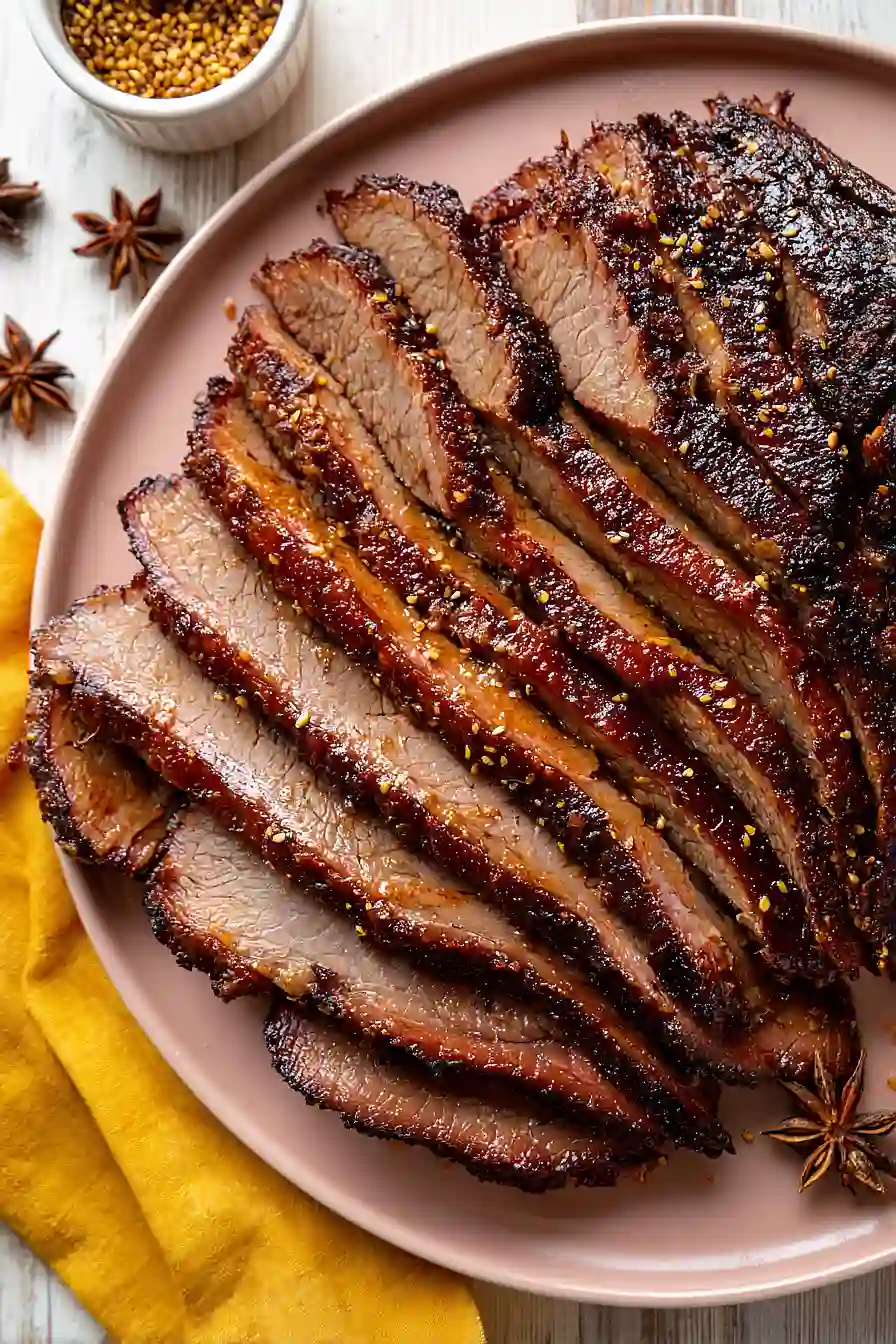
After resting, slice the brisket against the grain into pieces about 1/4 inch thick.
Serve warm and enjoy the perfectly seasoned, tender result.
Perfect Brisket Brine
Ingredients
For the brisket::
- 5.5 lb beef brisket (I prefer Snake River Farms for superior marbling)
For the brine::
- 8 cups water
- 3/4 cup salt (I always use Morton Kosher salt for consistent salinity)
- 3/4 cup sugar
- 1/2 cup brown sugar
- 2 cinnamon sticks
- 3 star anise
- 1 tsp celery seeds
- 2 tsp fennel seeds (toasted in a pan for 2 minutes to release oils)
- 8 cloves
- 5 bay leaves
- 1 tbsp peppercorns
For the rub::
- 8 cups water
- 1.5 cups brown sugar (I use Domino Dark Brown sugar for richer molasses flavor)
- 2 tbsp salt
- 2 tbsp fennel seeds
- 2 tbsp black pepper (coarsely cracked for better crust texture)
- 2 tbsp chili seasoning
- 2 tbsp coriander seed
- 1 tbsp ginger
- 1.5 tbsp onion powder
- 1.5 tbsp garlic powder
- 2 tsp celery seed
- 2 tsp nutmeg
- 1 tbsp smoked paprika
Instructions
- Toast the fennel seeds in a dry pan over medium heat for 2 minutes, stirring occasionally, until fragrant—this releases their essential oils and deepens their flavor. Set aside to cool. In a large pot, bring 8 cups of water to a boil, then remove from heat. Add the salt, sugar, and brown sugar, stirring until completely dissolved. Add the cooled toasted fennel seeds along with the cinnamon sticks, star anise, celery seeds, cloves, bay leaves, and peppercorns. Stir well to combine all aromatics into the brine base.
- Add ice to the brine mixture from Step 1 to rapidly cool it to room temperature—this is important to prevent the meat from beginning to cook. Place the brisket in a large container or brining bag, then pour the cooled brine over it, ensuring the meat is completely submerged. If needed, use a plate or weight to keep the brisket underwater. Cover and refrigerate for 2 days, allowing the salt and aromatics to penetrate deeply into the meat.
- While the brisket brines, combine all dry rub ingredients in a small bowl: brown sugar, salt, coarsely cracked black pepper, chili seasoning, coriander seed, ginger, onion powder, garlic powder, celery seed, nutmeg, and smoked paprika. I like to crack the peppercorns by hand or with the side of a knife rather than grinding them finely—larger pieces create a better textured crust when smoking. Mix thoroughly and set aside until ready to use.
- After 2 days of brining, remove the brisket from the brine and rinse it thoroughly under cold running water to remove excess salt and spices—this prevents the final dish from being overly salty. Pat the meat completely dry with paper towels; dry meat will accept the rub better and develop a superior bark during smoking. Apply the dry rub mixture from Step 3 generously and evenly over all surfaces of the brisket, working it in gently with your fingers.
- Place the rubbed brisket on a rimmed baking sheet or cutting board and let it rest uncovered at room temperature for 2 hours. I find this rest period allows the rub to set and the meat to come up to closer to room temperature, which promotes more even cooking in the smoker. This also gives the seasonings time to begin penetrating the surface of the meat.
- Preheat your smoker to 225°F and add wood chips for smoke flavor. Place the brisket on the smoker grate, fat-side up, and smoke for 1 to 1.25 hours per pound, or until the internal temperature reaches approximately 195-205°F when measured in the thickest part of the meat. The exact time will vary depending on your smoker and ambient conditions, so use a meat thermometer to guide you rather than relying solely on timing.
- Remove the brisket from the smoker and place it on a cutting board. Tent loosely with foil and let it rest for 1 hour—this allows the juices to redistribute throughout the meat, ensuring it stays moist when sliced. After resting, slice the brisket against the grain into pieces about 1/4 inch thick. Serve warm and enjoy the perfectly seasoned, tender result.